If you’re having sweet dreams of holly and ivy, and your cat is dreaming of ribbon, the holidays must be around the corner. Here are our top 5 cat-safe holiday plants to keep both you and your cats (and dogs!) happy.
Just remember, many common holiday plants are poisonous to cats. Poinsettias, holly, mistletoe, paper whites and amaryllis can all be mildly toxic if your cat nibbles enough.
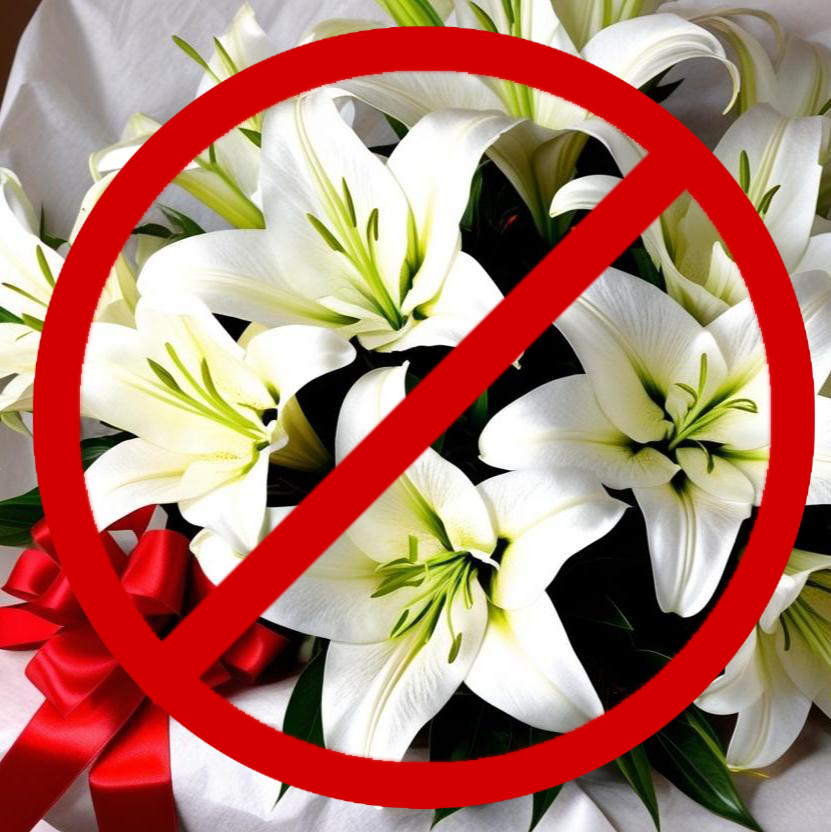
But the most important plant to keep away from cats is the lily. Even a tiny speck of lily pollen can poison or kill your fur baby, so please keep your home lily-free.
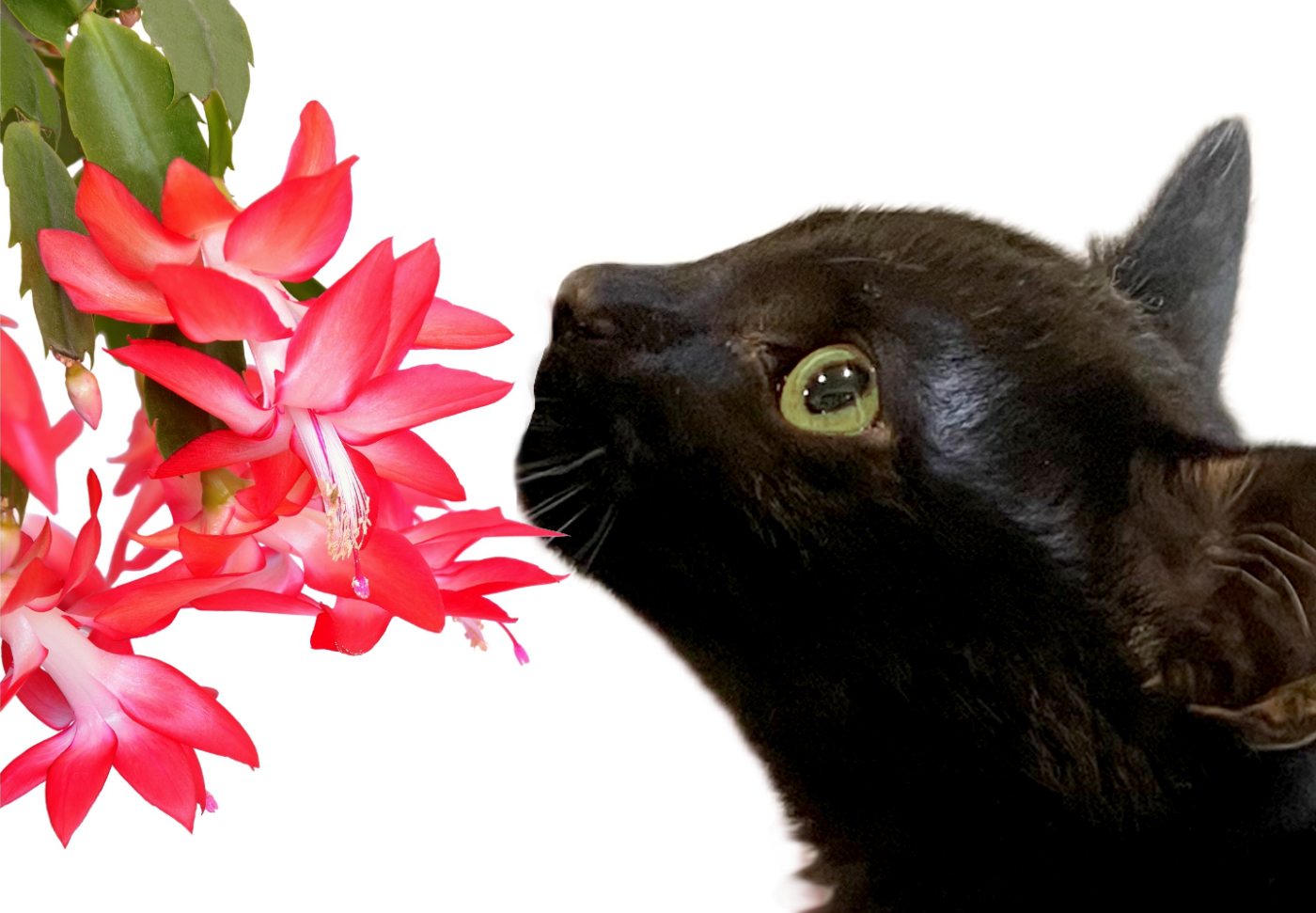
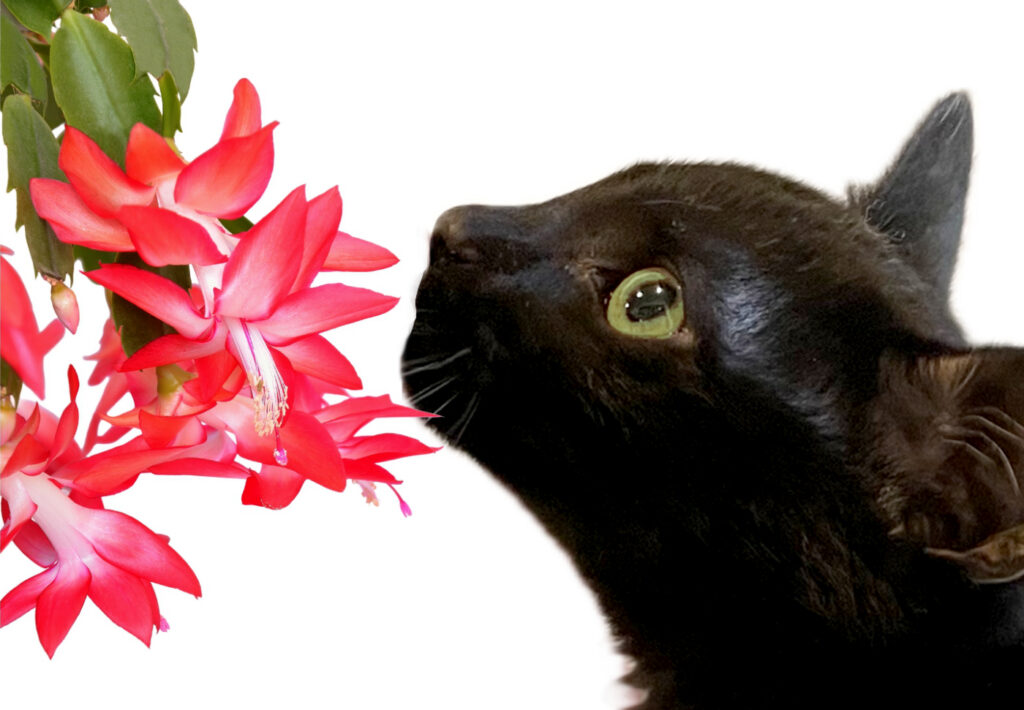
Christmas cactus
Also known as the Holiday Cactus, this is a plant even new plant parents can manage, since it’s drought tolerant and thrives in low light.
Given the right conditions, Christmas cactuses can decorate your home naturally with vibrant greens and reds from Thanksgiving all through the winter months.
Native to Brazil, this plant does best in bright but filtered light. You can encourage blooming by making sure it has 12-14 hours of darkness in the fall in a cool room. It also appreciates well drained soil and less water leading up to bloom time.
Rosemary tree
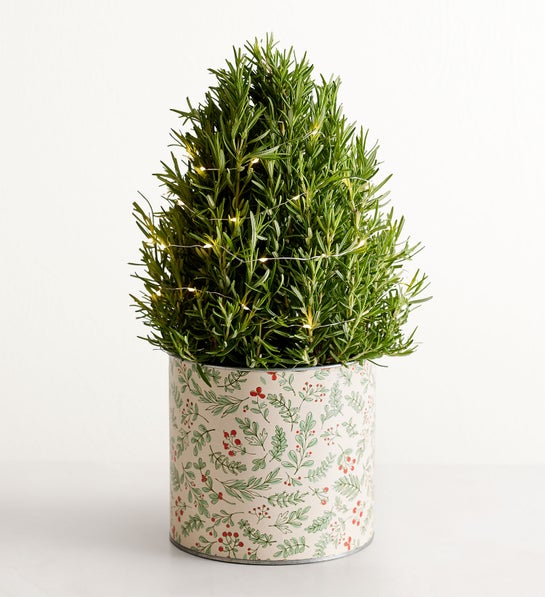
Pruned rosemary plants are safe for our pet friends and aromatic for the holidays, with a tradition of bringing luck, protection and stress relief. Plus you have the bonus of fresh herbs for your holiday cooking!
Rosemary trees make a beautiful substitute for Christmas trees, especially for smaller spaces. There are lots of choices for miniature lights and decorations to add sparkle to your festivities. (Costco has a great selection of 24″ rosemary trees right now!)
Your rosemary tree will also appreciate less water leading up to the holidays, but it wants 6-8 hours of bright (but not hot) light to thrive.
Red prayer plant
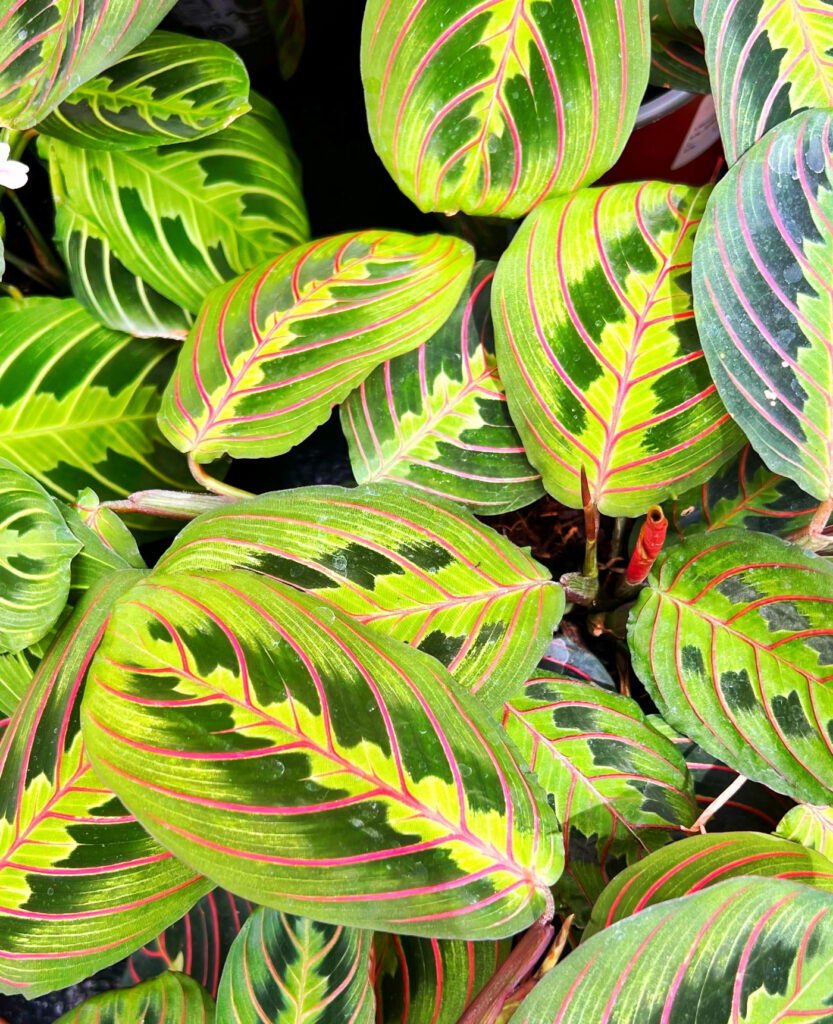
This smaller houseplant gently folds its leaves each night for another symbolic way to celebrate the spirituality of the season. This is known as nyctinasty, in case you want to stump your trivia friends.
It’s a striking plant, with red leaf ribs and lighter spine spots. It can adapt to lower light but prefers bright, indirect light. Like Goldilocks, its moisture level needs to be juuust right, not too wet but not too dry. It also likes light that’s not too direct.
African violet
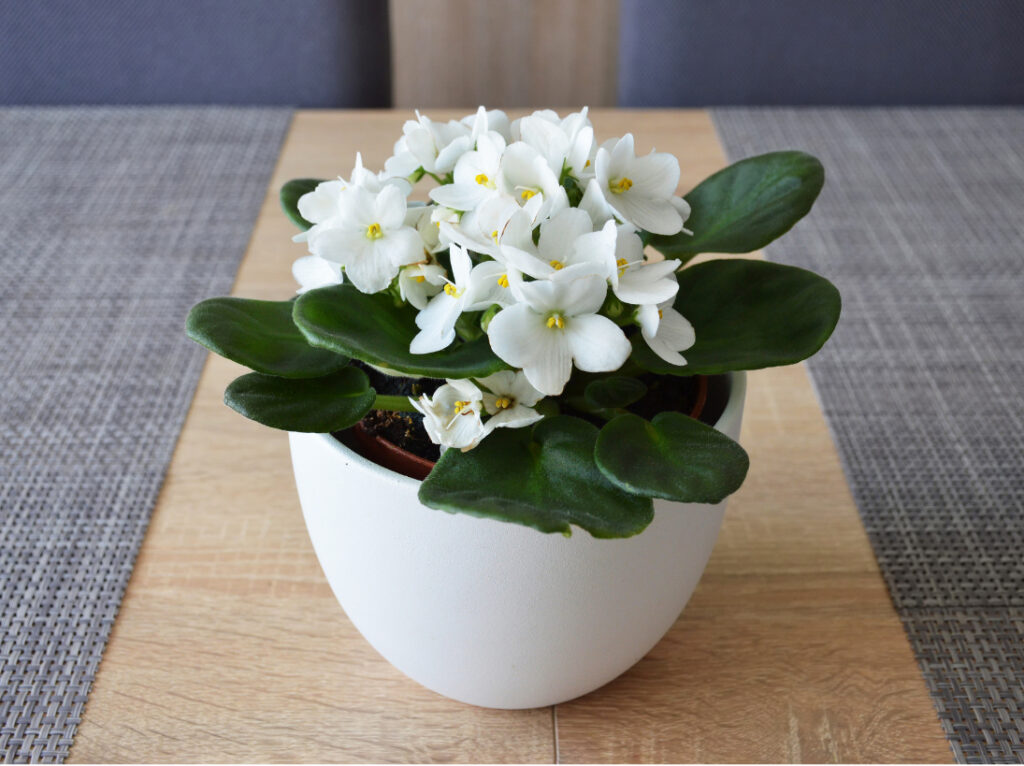
If you want the elegant winter look of white bloomers like paper whites but without the toxicity, consider white blooming African violets. They take a more humid, moist environment but do well in winter as long as they’re watered from the bottom, not the top.
A smaller plant, they prefer low light conditions, like they would have in their native Tanzania and Kenya. Grouping them together makes a nice holiday display.
Christmas tree
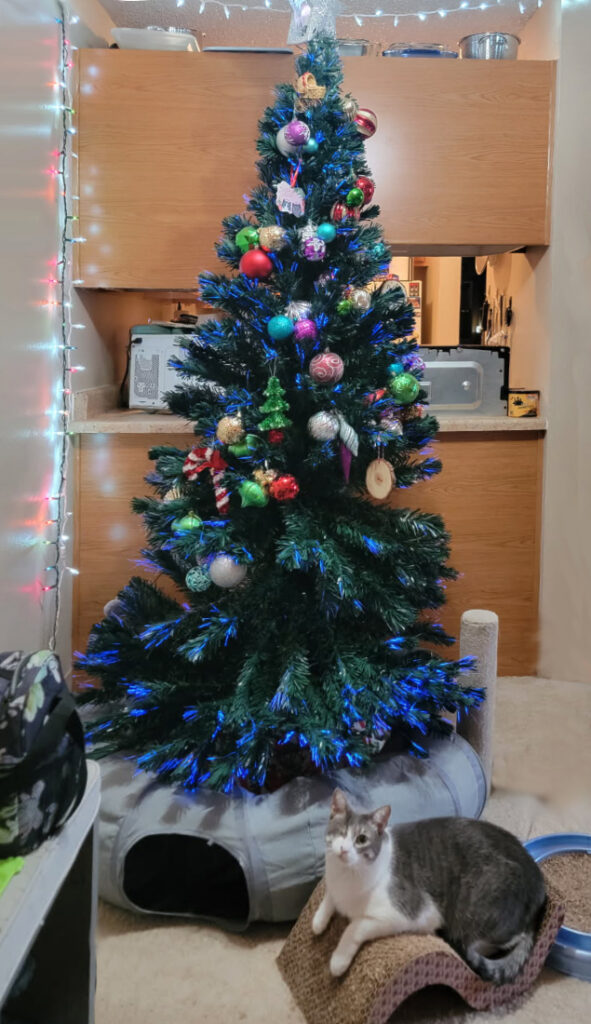
We can’t ignore the biggest plant in the room! If you have room for a tree, please consider your cats in your plans.
Social media is full of people trying to prevent their cats from climbing their Christmas trees. But since cats are hardwired to climb, why wouldn’t they want to join in the festivities?
There are other ways to have your tree—or just your ornaments—and your happy cats too. Ornaments can be strung from the ceiling or hung from garlands, which can showcase them better than hiding in a tree.
If you love your cats as much as we do, let them be your ornaments! Some companies now make Christmas trees for cat climbing and nesting. You can still decorate with safe strings of lights and unbreakable ornaments. There are DIY options too, stacking wrapped boxes or using cat tunnels to encourage under tree play.
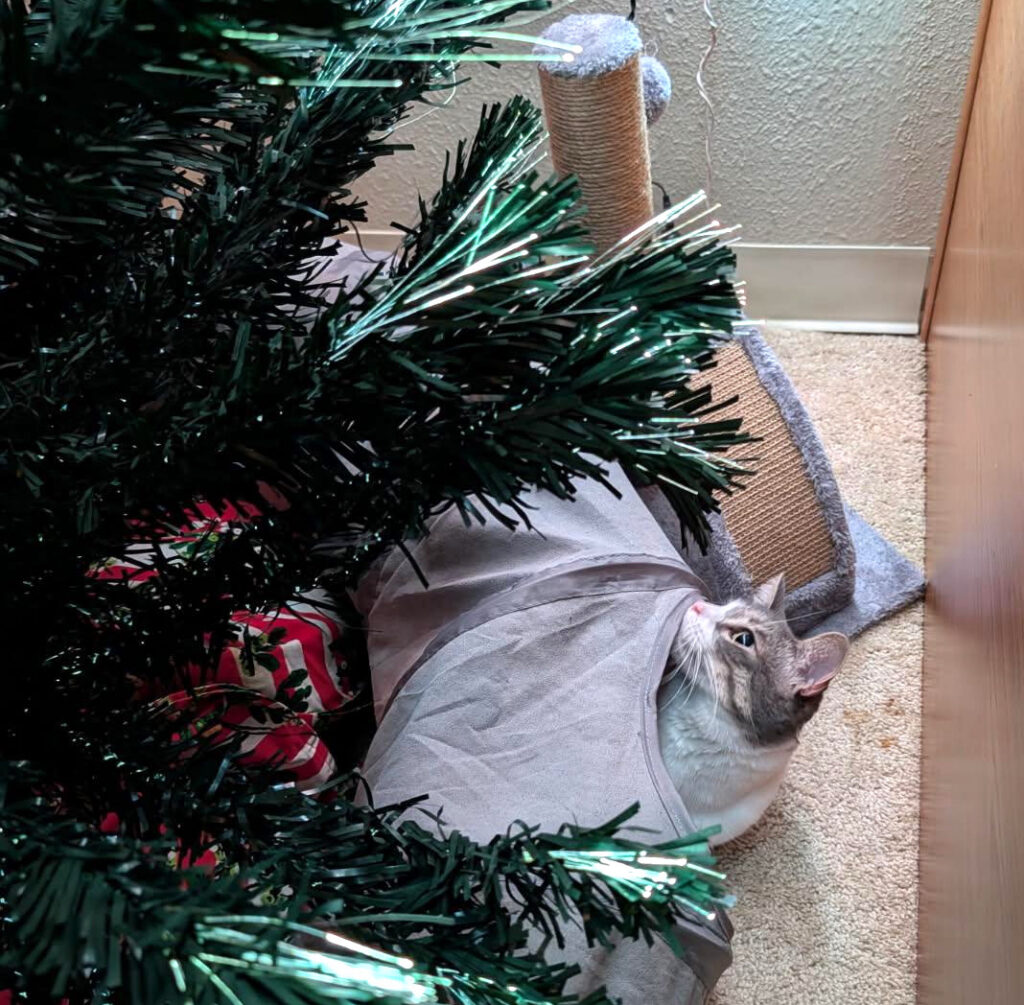
If you use a fresh tree with preservatives in the water, please block your cats from access, as those additives can be toxic. But don’t worry if your cats nibble the needles, as most cats won’t ingest enough for a little kitty tasting to be dangerous.
Sara Ferguson is the Director of Happy Cats Haven in Manitou Springs, Colorado, where cats are our favorite holiday decoration.