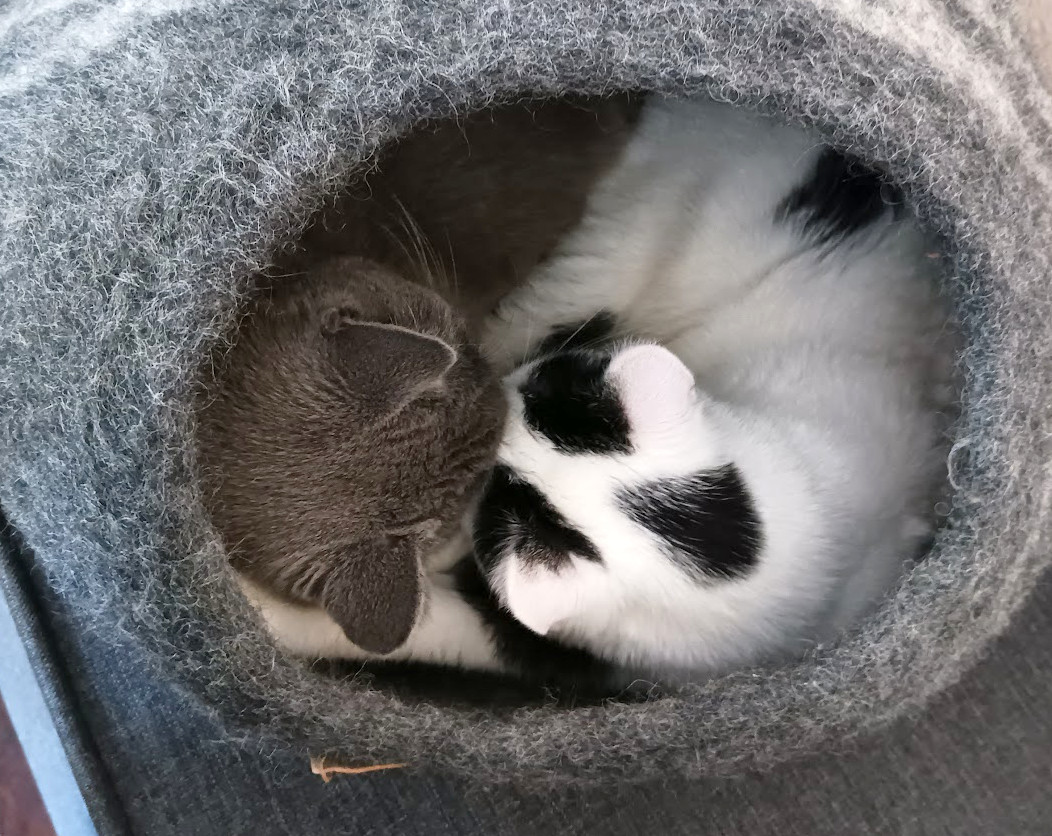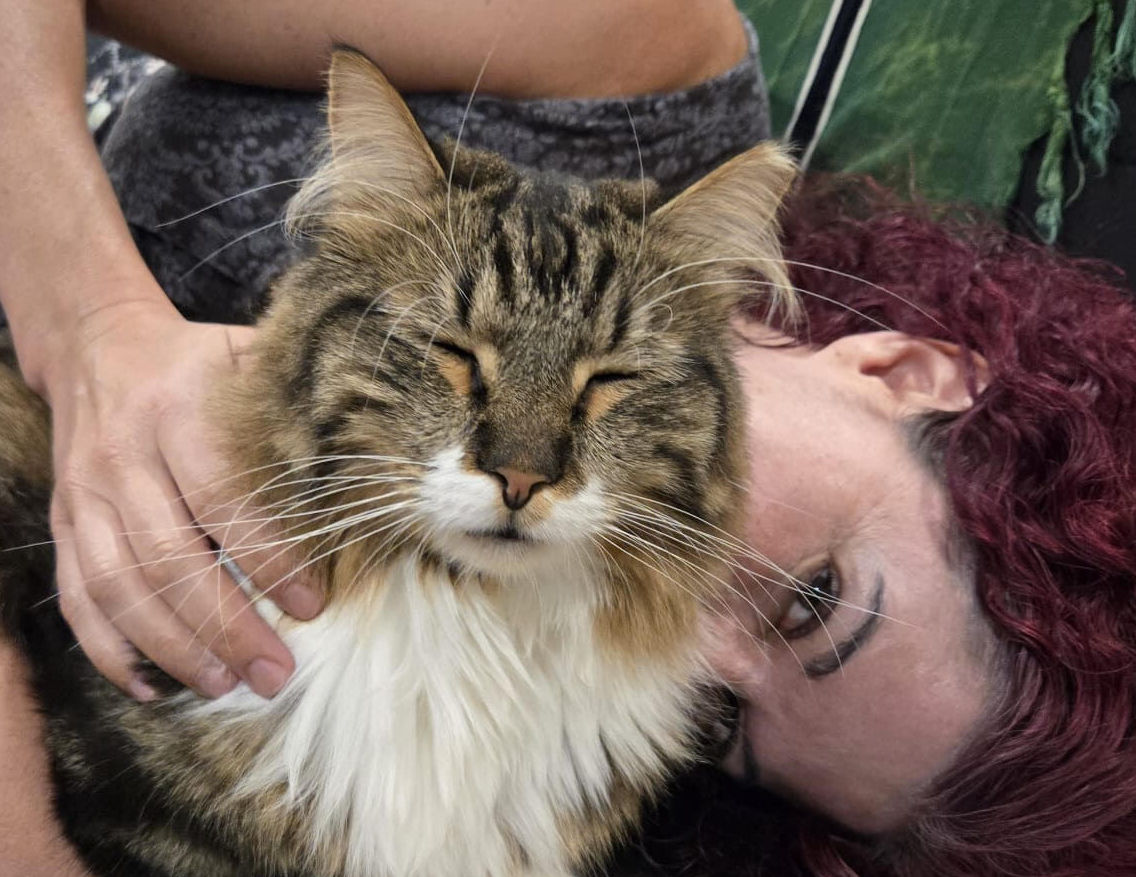

We’ve all seen these memes about cats being aloof and not caring about their humans. While the independence of cats can be what we love about them, most are also very social creatures! They are only aloof to humans or other animals if that’s what they learned as kittens.
It doesn’t take a pack of cats to catch a mouse, so cats in the wild are solitary hunters. But if there is a reliable food source, they often live in family groups called colonies. These are usually organized around the mothers and their kittens, with the males ranging outside the family group.
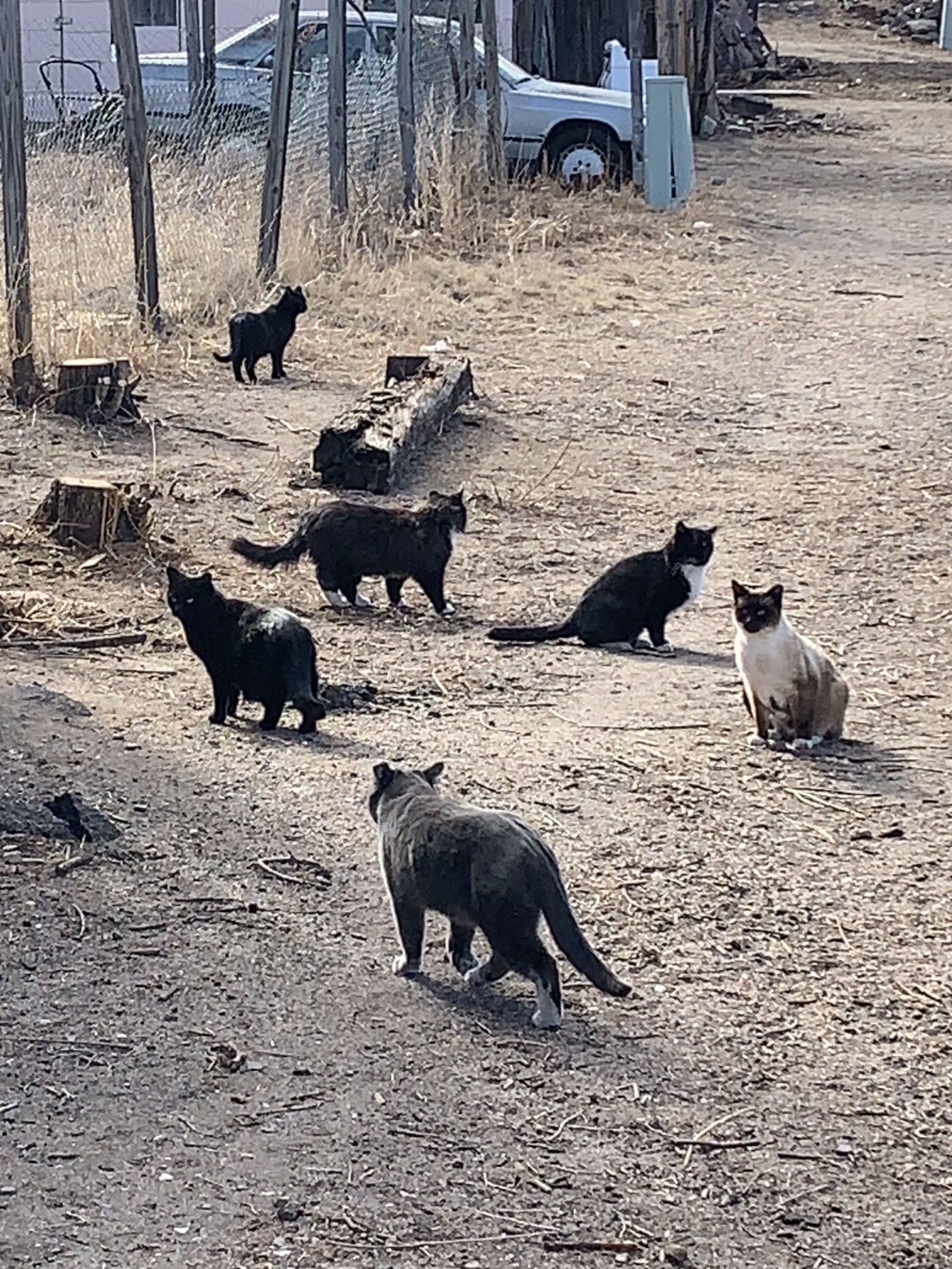
Cats who grew up with other cats tend to be more accepting of other animals in their territory, unless they had a bad experience with one. In fact, many cats are quite lonely without another cat or dog in the house.
Cat-oriented cats and kittens have the best chance of learning behaviors that help them “speak cat” with other cats. These can include approaching strange cats in a non-threatening way and avoiding conflict with gentle, playful movements or chirps.
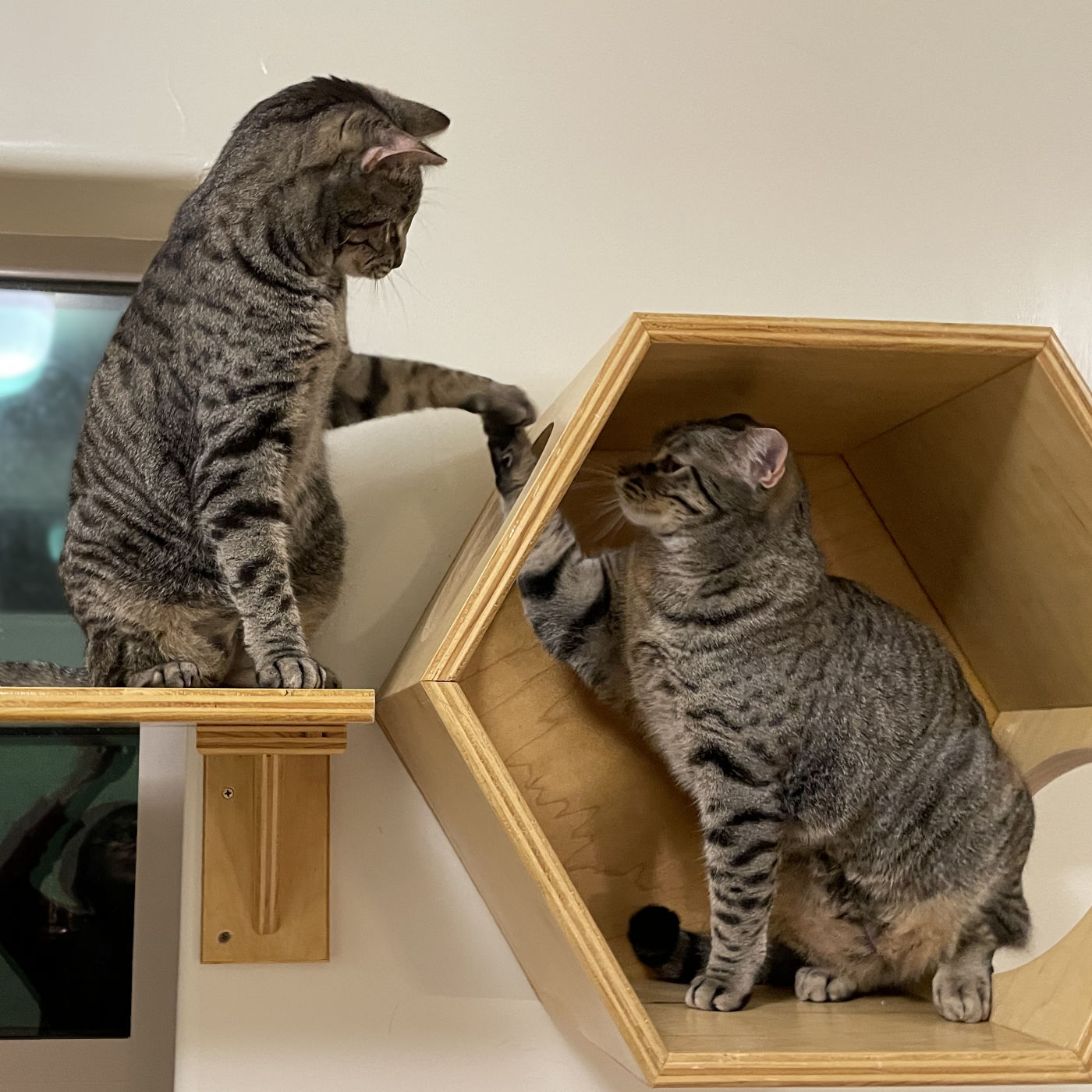
But even though most cats have spent time outside at some point, living outside is not a reliable indicator of whether they will be friends with other cats. Sometimes their experiences trying to protect resources and territory leave them with a fear of other cats. It’s those first months of handling as kittens that usually tell us if they are cat friendly.
Kittens raised by humans who gave them gentle handling and gradual exposure to new things grow up with the confidence and resilience to adapt to new situations, like sharing territory. If your cat had a good upbringing with both felines and humans, he’ll be more likely to want a buddy.

Cats stay alive in the wild by defending their territory. That’s why we ask so much of them when we ask them to accept a stranger cat! It takes the right combination of early socialization with both humans and cats to create a cat who easily accepts a new friend, whether feline, canine or human.
You may wonder if a male or female cat will make a better friend. Once they’re neutered, most experts agree that gender isn’t as important in matching cats as personality is. Cats who speak fluent cat are usually the quickest to adapt to other cats. Sometimes a big size difference can be a factor, but it’s usually not as critical as their previous interactions with other cats.
If you don’t know your cat’s history with other cats, but you still want to introduce a friend, you might consider a younger cat with a similar personality, especially if they’re a little smaller at first. This may allow your cat to take the lead and feel less threatened. 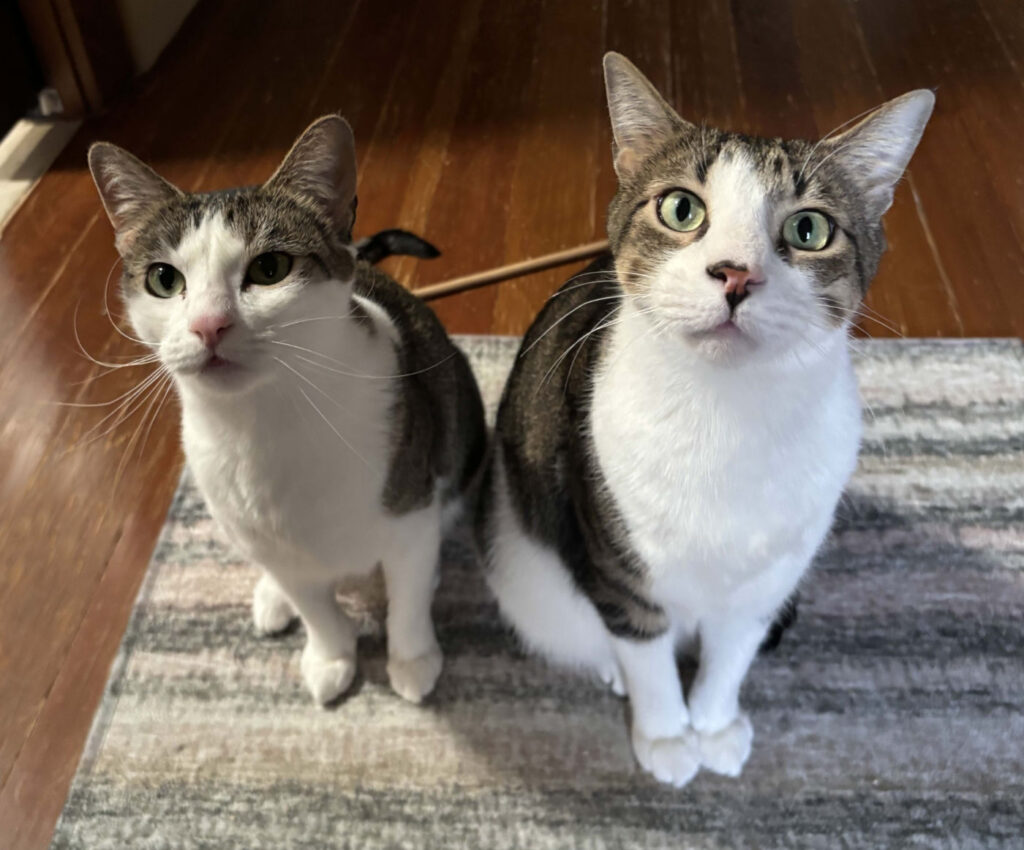
Of course, you’ll want to follow best practices for introducing your new kitty, including giving him or her their Safe Room and plenty of time to settle in. Keep the introduction as slow as possible.
Think noses first, then eyes: start with scent switching, then gradually reveal the cats to each other with a covered baby gate or at least by cracking the door. When you bring in a new cat, you’ve just halved your cat’s territory, which includes food, litter boxes, nests, toys…and most importantly, you! That means you have to double everything before you bring in a new friend, including your commitment to hanging out and playing with all your cats.
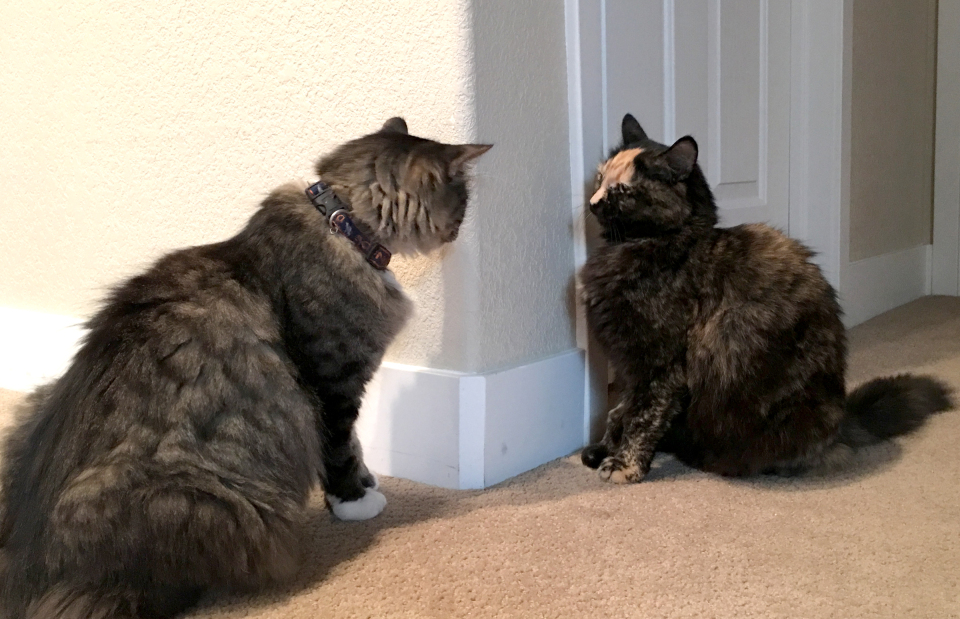
It’s your job to make sure your cat has extra resources on all fronts so he or she will feel more like sharing than competing. That will give you the best chance to end up with another wonderful companion, just like the cat you have!