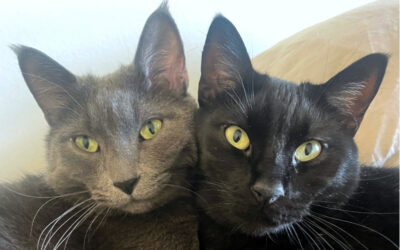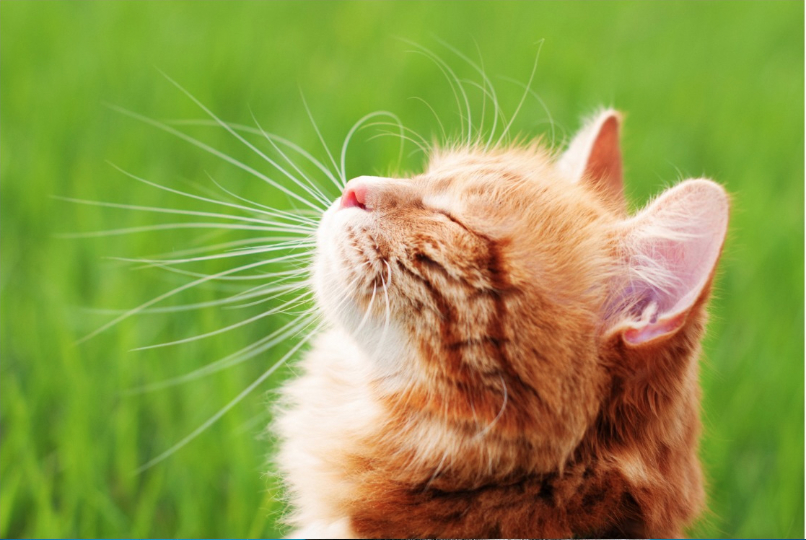
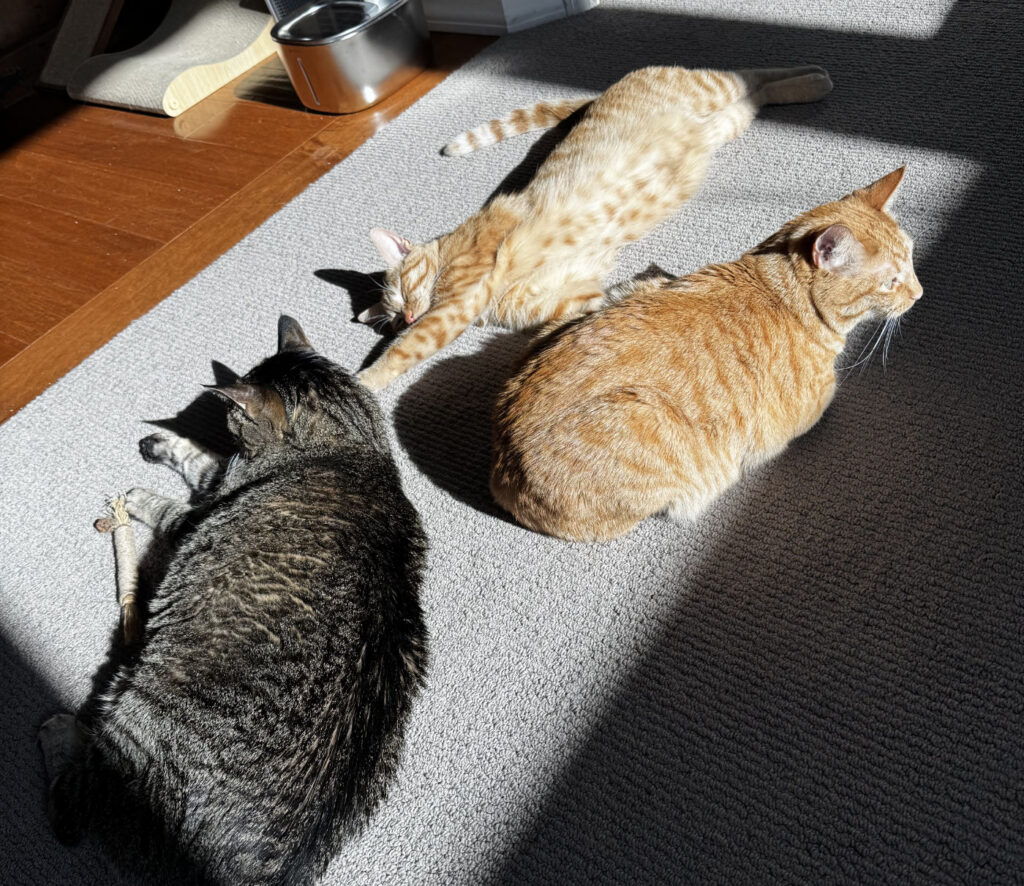
Most cat people are charmed watching cats blink and purr as they roll in a sun puddle, either in the house or outside. Cats love sunshine and fresh air, yet we also want to keep our cats safe.
This is the ongoing tension between “letting cats be cats” outside and keeping them safe inside.
Some cats have never known anything but the inside life and some never anything but outside. We can all benefit from deeper outside connections. Cats also need to feel the embrace of our planet, with stimulation that’s appropriate to their comfort level.
This is why many cats eat plants, or at least want to lick or taste them. Offering them catnip or fresh grass doesn’t just give them a little buzz. Stimulating their sense of taste is essential for a healthy cat.
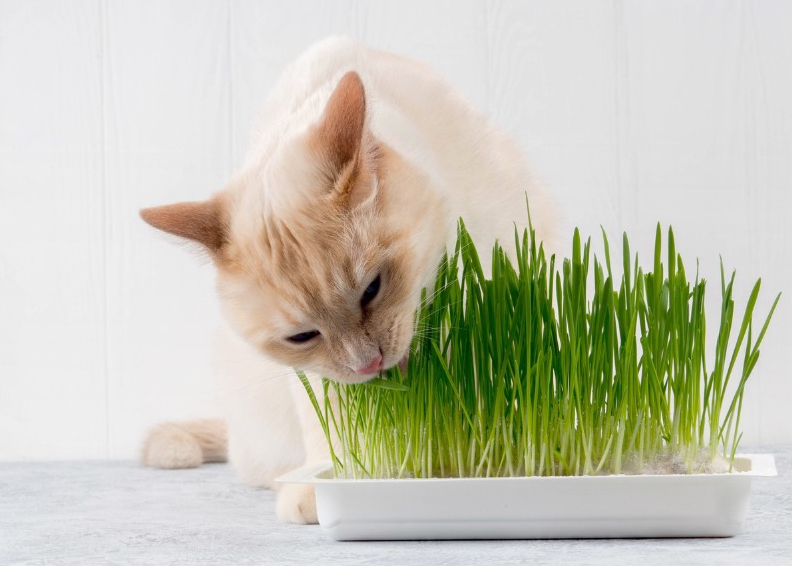
It’s easy to sprout your own cat grass from seed, available online or at many health food stores. Simply sprinkle the seeds on top of moist potting soil in a pot or saucer. Sprinkle on another thin layer of soil, just enough to cover the seeds.
Mist with water several times a day and you should have sprouts within 5-7 days, depending on how warm your house is. Water like a normal houseplant then, until your cats have had their fill! When the pot gets root bound and the sprouts stop growing, you can dump the whole thing and start again.
Scent is even more important for cats in making sense of their world. Fun fact: humans have about 5 million receptors for aroma, but cats can have up to 200 million! Dogs have up to 300 million receptors but cats have more specialized receptors that distinguish between scents.
We all know that catnip can be good for enrichment, but other herbs can help bring the outside inside too. You don’t need an actual garden to offer your cat choices in an indoor “herb garden.”
Dried chamomile, valerian, comfrey, lavender, calendula, lemon balm and rosebuds are some great, nontoxic options. You can buy samples in bulk from your local health food store or online.
Place a towel on the floor and arrange small samples on top. Your cats can explore and choose exactly what they need.
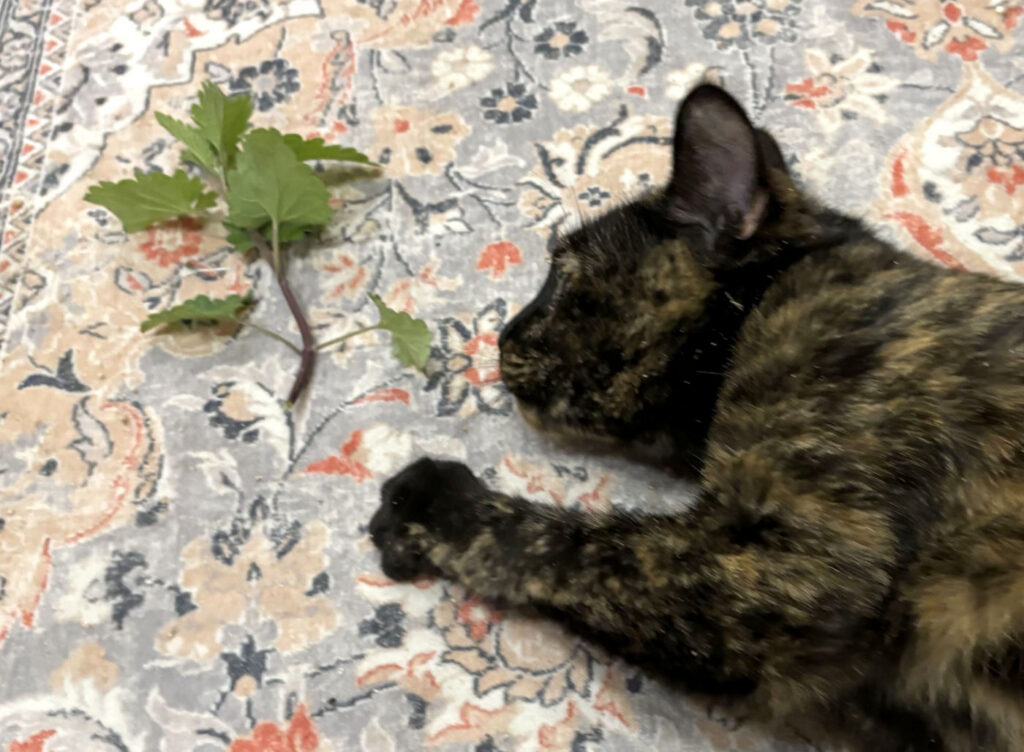
You can also bring in outdoor objects like leaves, grass, pine cones, sticks and other herbs for your cat. Sniffing, batting and tasting will enrich almost all their senses.
In spite of their impressive hunting skills, cats are small animals in a very big world. Letting them go outside on their own is risky unless you have a yard enclosed with a fence they can’t scale or get under. And even then, hawks and owls must be monitored.
Taking your cat outside on walks can be one of the best ways to keep your cat satisfied with life indoors, especially with a secure harness. The lightest and most secure harness we’ve found is the Houdini Harness by Outdoor Bengal.
All cats need to be gradually trained to tolerate a harness, since having something on their backs can feel scary, like being caught by a predator.
Your cat’s personality is also a big factor in deciding whether to walk your cat. Cats with at least moderate confidence will usually have less fear when going outside. If your cat is a scaredy-cat, he or she will probably be happier with more inside cat fun.
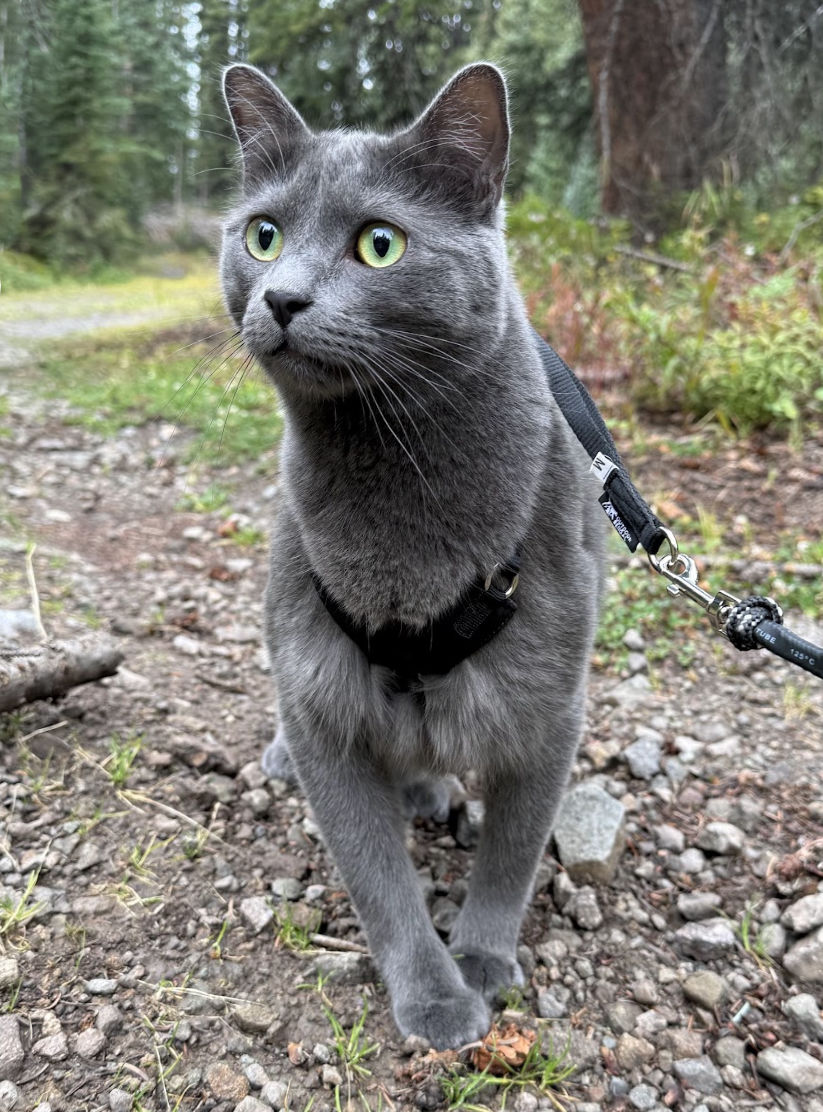
Most cats need training to accept a harness and gradual exposure to outside so walks aren’t scary. This can take weeks but building confidence before you go outside is worth the time invested.
Experts now advise that dog walks include slowing down so they can sniff for enrichment, taking them on a sniffari. Anyone who has ever walked a cat knows that’s exactly how cats go on walks: they walk their humans, not the other way around.
All those feline olfactory receptors show how important new smells are for cats too. Adding a slow sniffari to your cat’s routine can be one of the most beneficial things you can do.
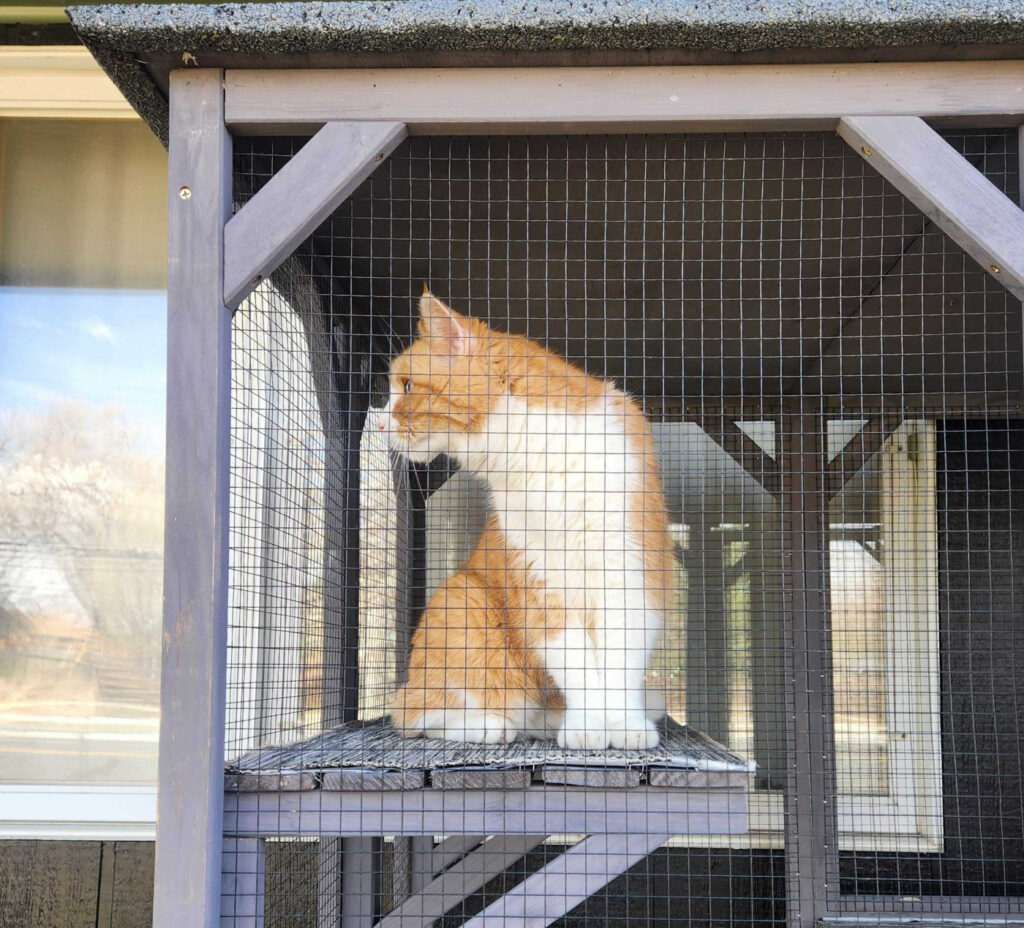
If your cat isn’t confident enough to go outside on a halter, don’t despair. Catios are a way to give your cats safe, enclosed outside space attached to your house, deck or window. They have gotten more affordable and accessible over the past few years.
While a catio is most economical if you build it yourself, usually able to keep the cost under $500, kits can also be purchased online starting at around $300. There are many plans available online, both free and at cost.
If you want a catio that lasts and can be designed to fit with your own environment, there are also many companies that will build custom catios. You might also check with your local ads for handymen and women, as these small scale building projects do not usually need approval.
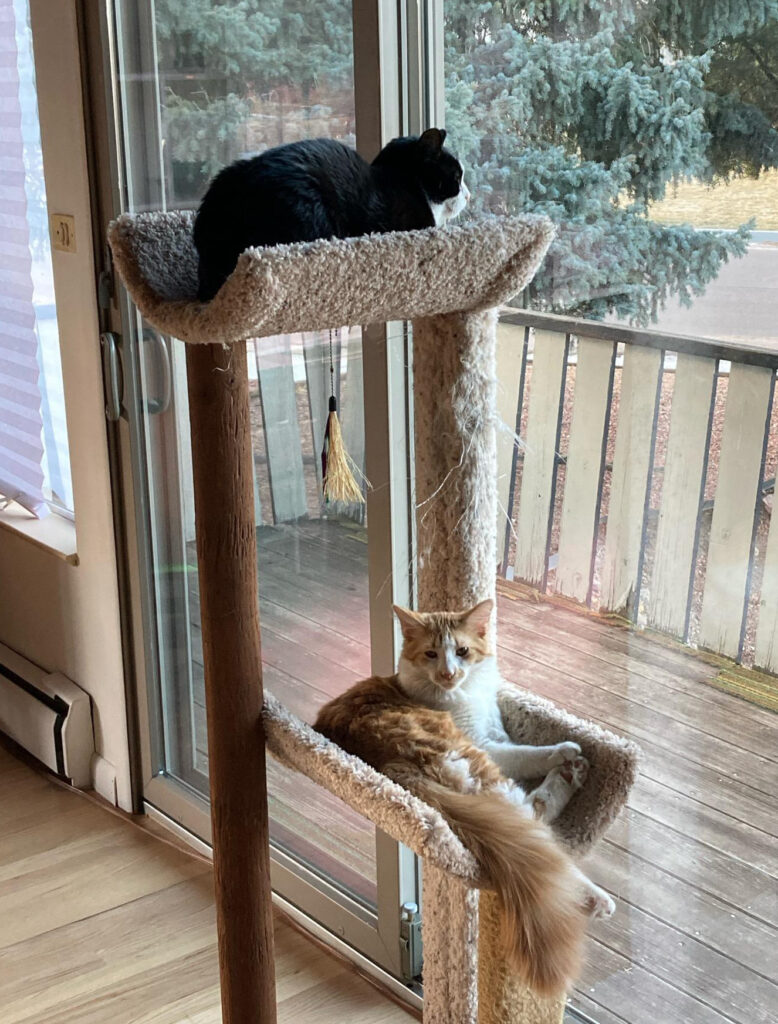
Can’t afford a catio right now? Never underestimate the power of a cat tree in front of a window. Urban or wild, the outside environment holds movement and scent and will always fill up your cat’s senses.
No matter what method you choose, bringing the outside world inside for your cat is a sure way to for you to make your cat’s life richer.
Tap here for more tips on how to have a happy cat!
 Sara Ferguson is the Director of Happy Cats Haven, where we grow fresh catnip in our gardens.